FPM login
About FPM
Are you and FPM a match?
Find out if a subscription to FPM is for you
The latest articles…
Thank you for visiting Free People Media platform. All articles on this platform can be read for 2.95 euro per article. FPM thanks you for your interest in the articles.

Other FPM articles to read…
How far is the smart meter rollout globally?
Nearly half of the world population is living in urban areas nowadays. The future prospect is that the number of people living in cities will further increase. By 2050 two-thirds of world’s population will live in cities. Cities worldwide are responsible for seventy-five percent of global energy consumption and put pressure on the environment. Nonetheless, cities produce eighty percent of global GDP… Continue reading
LONGREAD: Who looks after the children?
On September 9th, 2025, UNICEF stated that one in ten children worldwide is living with obesity. There are now globally more children with obesity than underweight among school-age children and adolescents. Above that, one in seven children and adolescents have a mental health condition, stated the United Nations on October 9th, 2024. The most common conditions are anxiety, depression, and behavioural disorders. This… Continue reading
Is climate change in itself a threat to humans?
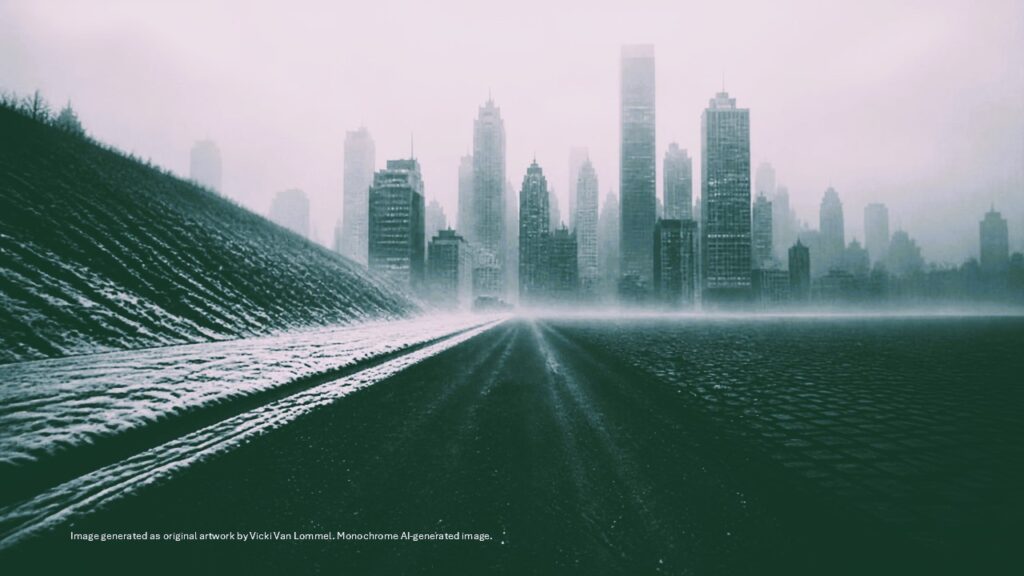

9 short-lived climate influences that warm or cool the Earth
Carbon dioxide (CO2) drives climate change over the long term because it accumulates in the atmosphere and stays there for a very long time. Each extra tonne adds to the overall concentration, which means more heat is trapped and the warming influence increases rather than disappears quickly. That way CO2 is a long-term force shaping global temperatures and climate patterns…
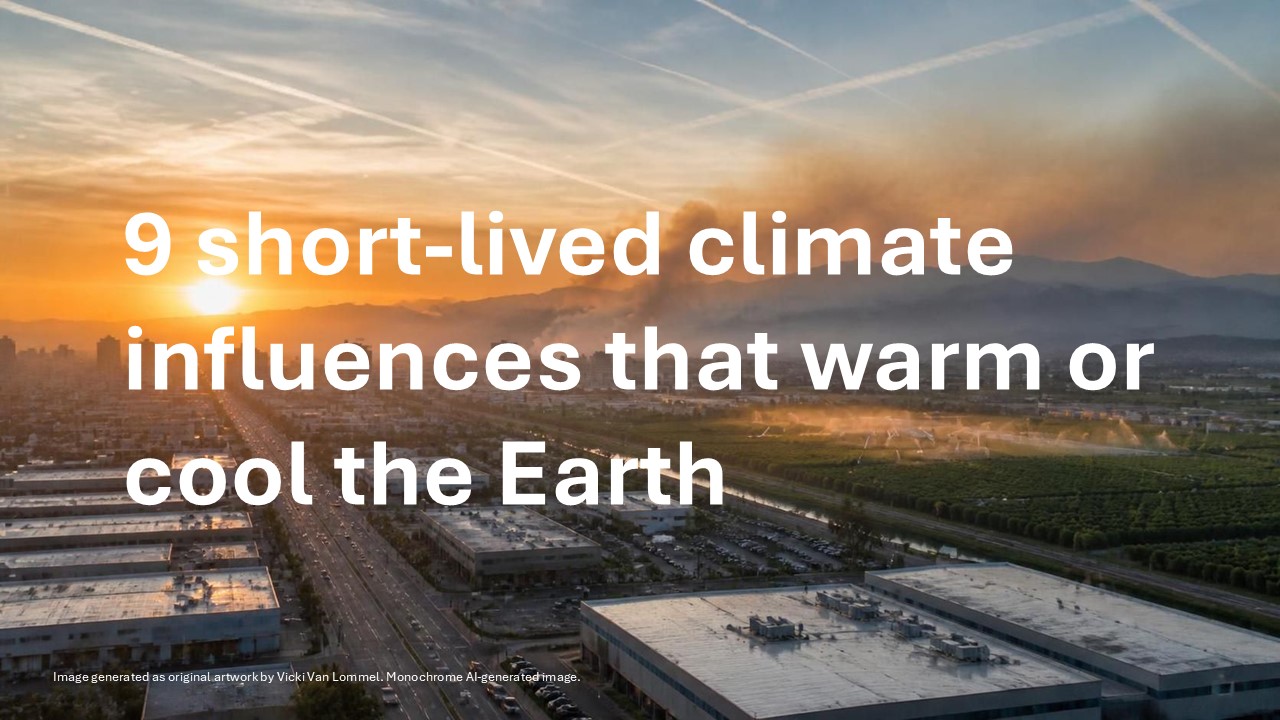
In addition to long-lived CO2… the climate is also shaped by a set of shorter-lived influences.
What exactly these climate influences are, how they contribute to warming and/or cooling, and how they can be prevented, is discussed below… Continue reading
On average, water makes up fifty to seventy percent of your body, depending on your age, gender, and weight. A loss of ten percent body water means death. Water covers about seventy-one percent of the Earth’s surface, so it is crucial not only for human life, but for all life on Earth. In general, you can survive about three days to a week without drinking water, depending on several factors. Higher physical activity increases water loss. Chronical health conditions may also shorten your survival time. Dehydration may soon lead to organ failure. Children and the elderly are more susceptible to dehydration. High humidity may hinder perspiration, making it harder for your body to cool down. High temperatures may lead to faster dehydration due to increased perspiration. In contrast, eating water-rich foods may increase your survival time. This underlines how important the freshwater supply is for human survival. So, how vulnerable are freshwater supplies worldwide right now, and what is the role of climate change in this?… Continue reading
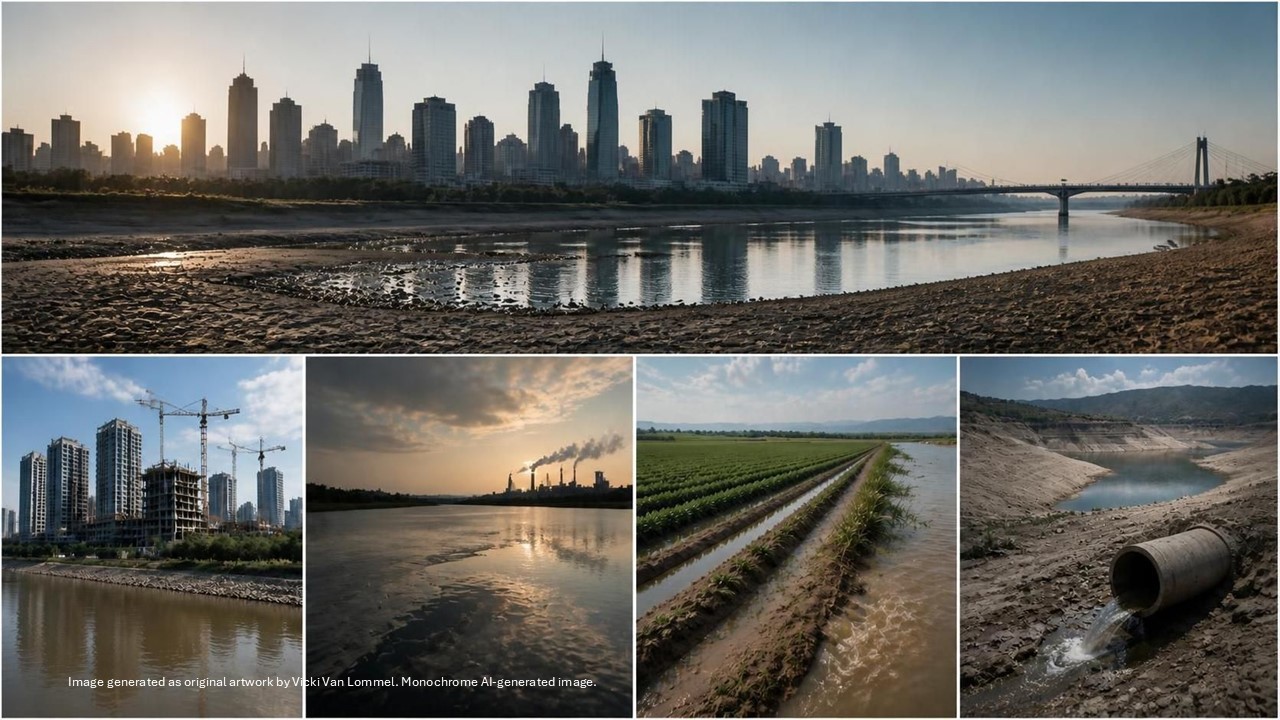
LONGREAD: Global drinking water crisis: climate change reflecting long-standing issues humanity has neglected for generations
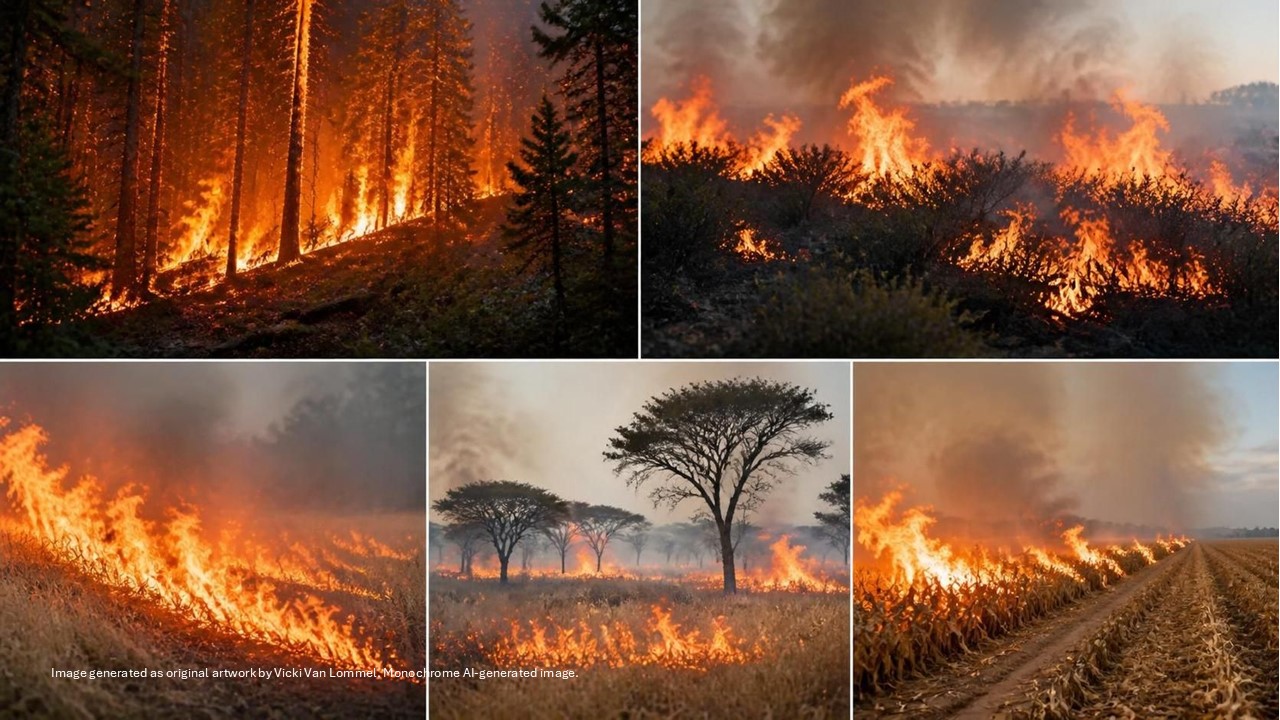
What drives wildfires, and is humanity—and its environment—more at risk today?
The most common wildfire in the world is a forest fire. Other wildfires include shrubland fires, grassland fires, savanna fires, and cropland fires. A wildfire is an uncontrolled burn in an area with combustible vegetation. While fire is a natural phenomenon in these land cover types, which is beneficial for ecosystems, unnatural wildfires can also destroy ecosystems, properties, and human lives, and reduce air quality. So, what causes wildfires nowadays, and what is the relationship between wildfires and climate change?… Continue reading
FPM
Independent journalism about people, societies, and the environment from a global perspective
High quality opinions – research and scientific journalism – data and policy analysis – fact checks
All articles available to read for 2.95 euro/ article
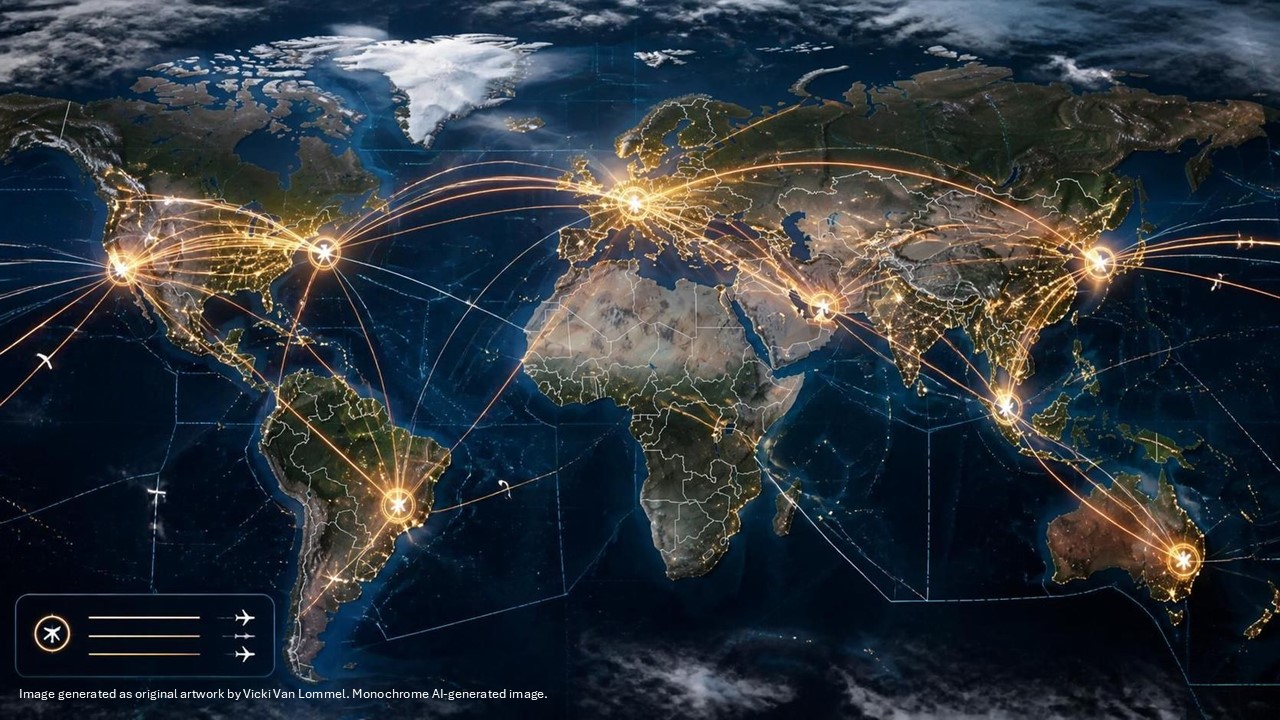
What is the impact of aviation on climate change, and in particular the role of contrails in global warming?
In 2019, before the declared Covid-19 pandemic, there were 10.52 trillion available air travel seat-kilometres, of which 8.66 trillion kilometres were sold to paying passengers. In 2020, this dropped to 4.54 trillion and 2.95 trillion kilometres, respectively. Comparable figures were only seen before in 1999, with 4.05 trillion and 2.80 trillion kilometres. In 2024, air travel capacity and passenger traffic has recovered above 2019 levels, reaching 10.93 trillion and 9.10 kilometres. How does air traffic affect climate change and the environment, and how do contrails specifically contribute to global warming?… Continue reading
Is climate change in itself necessarily a threat to humans?

Climate change is as old as the estimated 4.54 billion years that the Earth has existed. Over the past five hundred million years, global temperatures were too high for persistent polar ice caps. The last fifty million years form an exception to this. During this last colder period, Homo sapiens appeared approximately 300,000 years ago. During this period,… Continue reading
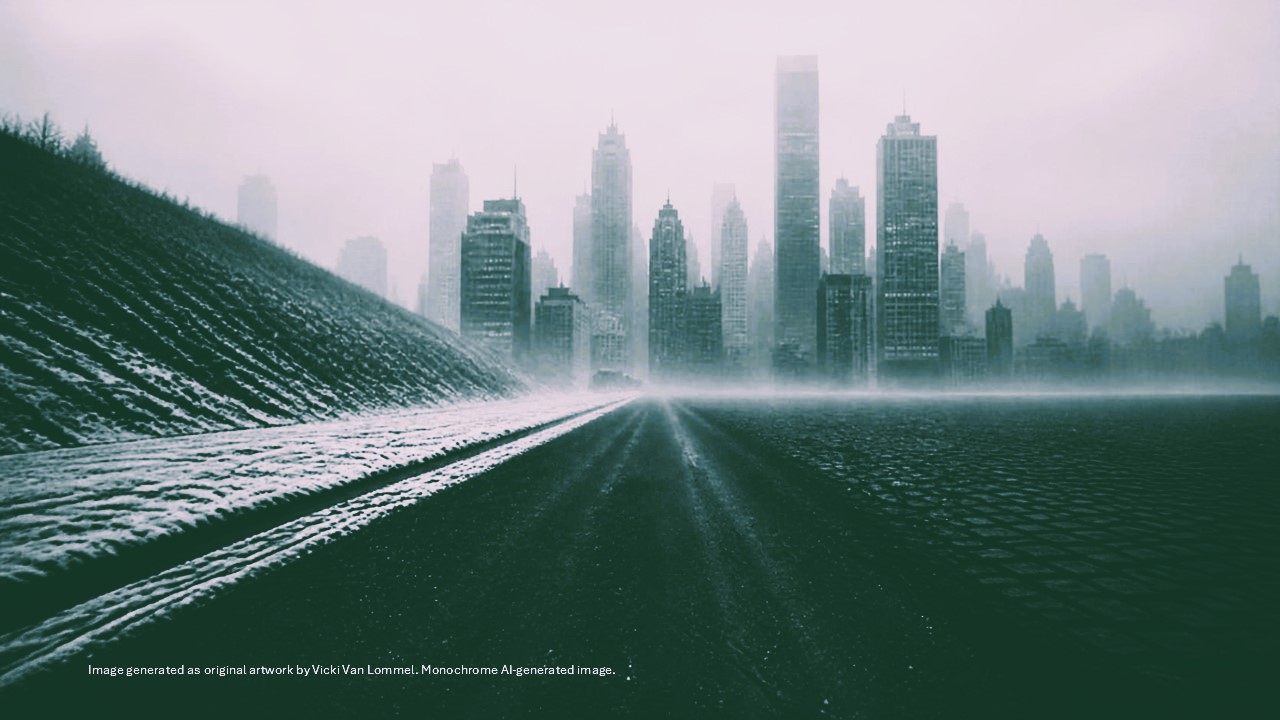
LONGREAD: Urban climate conditions explained: shifting the climate debate from who is right or wrong to understanding the complex urban climate reality
Climate change is mainly a challenge for urban human populations around the world. Urban areas in developed countries are often not built for changing climate conditions. In developing countries, population density is growing so fast that urban areas cannot keep up with the increasing… Continue reading
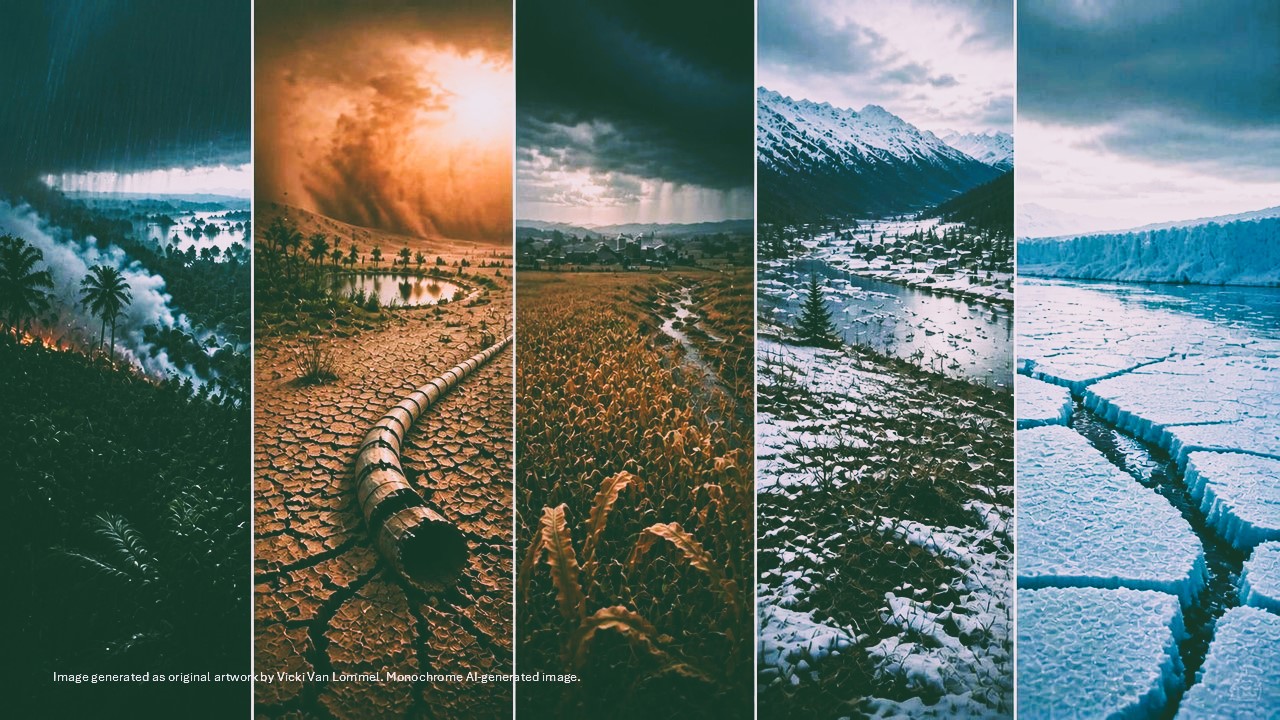
How does climate change affect life on Earth, both regionally and globally, and what is it actually telling us?
The effects of climate change vary by region worldwide. The five main climate regions into which the world can be divided are affected by climate change in different ways. So, how does climate change roughly affect human health, human societies, and nature in these regions and is climate change really the issue that humanity should be most concerned about?… Continue reading

How come so many people in this world are mentally ill?
Recent research has shown that some people have a higher risk of a mental disorder than others because of certain genes. Based on that, there is the idea that new, more effective individual treatments could be explored. Since 2020, when the Covid-19 pandemic was declared, however, depression and anxiety disorders have risen dramatically worldwide. That does not really sound like it is genetic!… Continue reading
Subscription plans and Terms & Conditions updated due to this change.

ESSAY:
No time to waste
‘No time to waste’ was first used as a slogan by Greenpeace in the early 90s. It became one of Greenpeace’s most iconic ‘crisis’ campaign slogans, calling for action to protect the environment. More than thirty years later, humanity is not only still in the middle of a global environmental crisis but also has to deal with several other crises on an international or even global scale. People’s mental and physical health is… Continue reading
About FPM
For journalism that creates the opportunity to make free choices
Key Features of the FPM Platform
To create the possibility for you to make free choices, FPM is…
Independent
Exploring
Broad-minded
Inquisitive
Constructive
Questioning the status quo
Do you dare to roar?
The secret of success
To be succesful is to…
be you
go your own way
keep growing
keep going
What FPM offers you
FPM shines a bright light on…
> what it means to be human
> what the world makes go round
> offers some overthinkings about humanity and…
creates corresponding publications…
all with the key features of FPM in mind.
FPM publications
Got questions or ideas? Let’s chat!
Owner
Meet the driving force behind Free People Media.
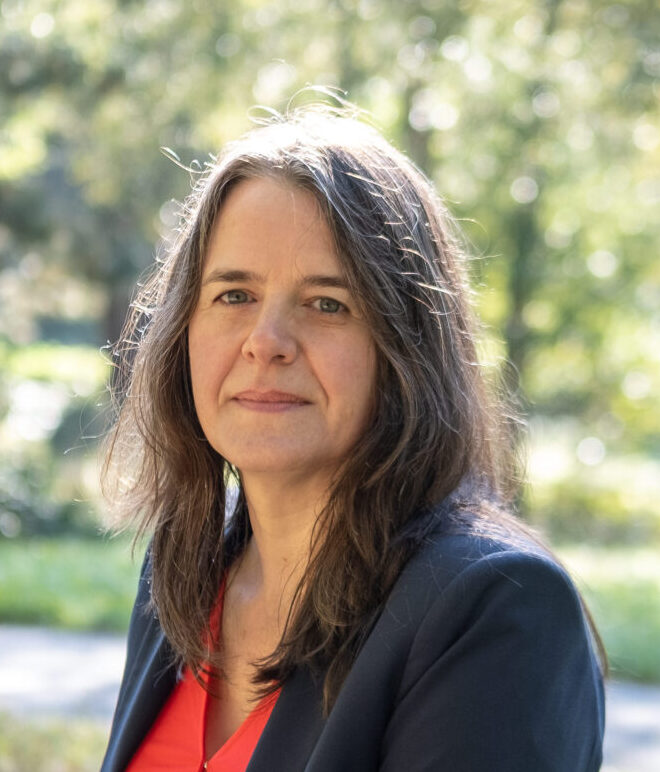
Vicki Van Lommel
Owner of Free People Media
Advertisers
Interested in advertising here on the FPM platform?
FPM offers advertorial space to companies and organisations who support FPM’s mission to create the opportunity for people to make free choices so that people have the possibility to live in connection with themselves, each other and the natural environment.
Contact FPM
info@freepeoplemedia.com
Social Media
KVK-nr. 80076718